 By Powerful Gummies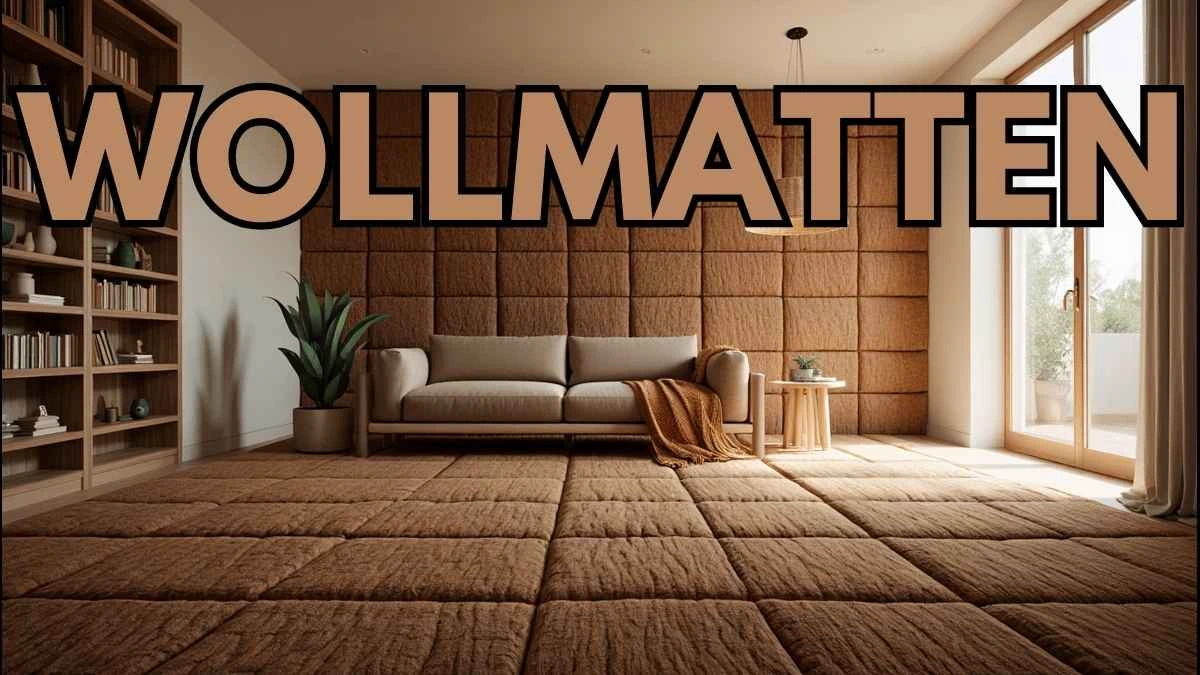
Wollmatten are mats or sheets made primarily from natural sheep’s wool. These mats are typically used for insulation, erosion control, horticulture, and various industrial applications. The term “wollmatten” is derived from the German words “wolle” (wool) and “matten” (mats), literally meaning wool mats.
Wool, being a renewable, biodegradable, and durable material, provides excellent thermal and moisture-regulating properties. As such, wollmatten are valued for their sustainability, adaptability, and superior performance compared to many synthetic alternatives.
In simple terms, wollmatten are natural fiber mats that combine traditional materials with modern environmental awareness.
The History and Evolution of Wollmatten
The use of wool as a protective and insulating material dates back thousands of years. Early civilizations recognized its remarkable ability to trap air, repel moisture, and provide warmth. Over time, the material evolved from simple raw fleece into structured wool products like blankets, carpets, and eventually wollmatten.
By the late 20th century, with a growing emphasis on eco-friendly materials, wool manufacturers began innovating to produce wollmatten for modern industrial and environmental applications. These mats now play crucial roles in architecture, landscaping, packaging, and even agriculture.
How Wollmatten Are Made
The production process of wollmatten focuses on maintaining the natural integrity of wool while shaping it into durable, uniform sheets. Below is an overview of how wollmatten are typically produced:
- Wool Collection – Raw wool is sourced from ethically raised sheep, often from local farms.
- Cleaning and Scouring – The wool is washed to remove lanolin, dirt, and impurities, ensuring purity and hygiene.
- Carding – Fibers are aligned and layered using specialized machinery, creating a consistent matting texture.
- Felting or Needling – Mechanical or natural felting techniques compress the wool into dense, durable mats.
- Drying and Finishing – The wollmatten are dried, trimmed, and sometimes treated with natural oils to enhance water resistance.
The entire process ensures that wollmatten remain chemical-free, biodegradable, and safe for both people and the planet.
Types of Wollmatten
There are several types of wollmatten, depending on their use case and manufacturing process. Here are the main categories:
| Type of Wollmatten | Primary Use | Description |
|---|---|---|
| Insulation Wollmatten | Building & Construction | Used for thermal and acoustic insulation in walls, roofs, and floors. |
| Horticultural Wollmatten | Gardening & Agriculture | Supports plant growth, retains soil moisture, and prevents erosion. |
| Erosion Control Wollmatten | Landscaping | Protects soil on slopes and embankments, promoting vegetation growth. |
| Industrial Wollmatten | Packaging & Filtration | Used in eco-packaging, filters, and soundproofing applications. |
Each type of wollmatten provides a unique combination of functionality, durability, and environmental benefits.
Key Benefits of Wollmatten
1. Eco-Friendly and Sustainable
One of the most significant advantages of wollmatten is their sustainability. Wool is a renewable resource that naturally decomposes, leaving no harmful residues in the environment. Choosing wollmatten helps reduce dependence on synthetic, petroleum-based materials.
2. Excellent Insulation Properties
Wool fibers trap air efficiently, making wollmatten exceptional for thermal insulation. They help maintain stable indoor temperatures, lowering energy consumption for heating and cooling.
3. Moisture Regulation
Wool naturally absorbs and releases moisture, keeping environments dry and comfortable. This makes wollmatten ideal for building insulation and horticultural use.
4. Biodegradable and Non-Toxic
Unlike synthetic mats, wollmatten break down naturally when discarded, enriching the soil with nutrients instead of polluting it.
5. Versatile Applications
From agriculture to architecture, wollmatten are used in a variety of fields. Their adaptability makes them a valuable addition to both traditional and modern industries.
6. Naturally Fire-Resistant
Wool fibers have a high ignition point, giving wollmatten natural fire resistance without chemical treatments. This property enhances safety in homes and buildings.
Applications of Wollmatten
1. In Construction
In the construction sector, wollmatten are commonly used as eco-friendly insulation materials. Builders prefer them because they provide excellent acoustic and thermal insulation while being free from harmful chemicals found in fiberglass or foam.
Benefits in construction include:
- Improved energy efficiency
- Natural humidity control
- Long lifespan and low maintenance
2. In Gardening and Agriculture
Wollmatten serve as soil covers, root protectors, and moisture retainers in gardens. Farmers and horticulturists use them to stabilize soil, encourage plant growth, and reduce water evaporation.
Key gardening benefits:
- Prevents weed growth
- Retains soil moisture
- Provides nutrients as it decomposes
3. In Landscaping and Erosion Control
When placed on slopes or embankments, wollmatten prevent soil erosion caused by rain or wind. Over time, the mats biodegrade and enrich the soil, supporting natural vegetation growth.
4. In Industrial and Commercial Uses
Many industries now use wollmatten in filtration systems, soundproofing, and eco-friendly packaging. The fibrous structure of wool makes it ideal for filtering impurities and reducing noise pollution.
Environmental Impact of Wollmatten
As sustainability becomes a global priority, wollmatten play an essential role in reducing environmental footprints. Wool production emits less carbon than synthetic material manufacturing, and the biodegradability of wollmatten ensures that they return safely to nature.
Eco-benefits include:
- 100% biodegradable
- Renewable resource
- Low energy production process
- No microplastic pollution
Furthermore, wool naturally absorbs CO₂, making wollmatten a carbon-friendly material that aligns perfectly with eco-conscious architecture and landscaping.
Maintenance and Durability of Wollmatten
Although wollmatten are biodegradable, they are designed to last for years depending on their application. In indoor environments, such as insulation or acoustic panels, they can last decades with minimal care. For outdoor uses like erosion control, they typically decompose after completing their environmental role.
Maintenance Tips:
- Keep dry when stored
- Avoid prolonged exposure to direct sunlight
- Replace periodically in outdoor applications
Why Choose Wollmatten Over Synthetic Alternatives
Synthetic mats made from plastics or foams might be cheaper, but they come with environmental costs and health concerns. Wollmatten, on the other hand, are safer, sustainable, and naturally effective.
| Feature | Wollmatten | Synthetic Mats |
|---|---|---|
| Material Source | Natural sheep wool | Petroleum-based plastics |
| Environmental Impact | Biodegradable, renewable | Non-biodegradable, polluting |
| Fire Resistance | Naturally fire-resistant | Requires chemical treatment |
| Moisture Regulation | Excellent | Poor |
| Lifespan | Long-lasting (indoors) | Moderate |
| Cost | Moderate but eco-friendly | Often cheaper but less sustainable |
Choosing wollmatten is not just a purchase—it’s a contribution to a greener planet.
Future of Wollmatten in Sustainable Design
With global trends leaning toward sustainability and carbon-neutral construction, the future of wollmatten looks promising. Modern researchers are developing advanced wool composites, improving durability and performance for larger-scale industrial use.
Architects, environmentalists, and gardeners are all recognizing wollmatten as a cornerstone of the circular economy—where natural materials are reused, recycled, and reintegrated into the ecosystem without harm.
Key Takeaways
- Wollmatten are natural wool mats used for insulation, erosion control, and gardening.
- They are eco-friendly, biodegradable, and highly efficient for temperature and moisture regulation.
- Wollmatten provide a sustainable alternative to synthetic products across multiple industries.
- Choosing wollmatten supports renewable farming and reduces environmental pollution.
- The future of wollmatten lies in their growing adoption in sustainable construction and ecological restoration.
Conclusion
In summary, wollmatten embody the perfect blend of tradition, technology, and environmental responsibility. Their natural composition, combined with modern applications, makes them an ideal choice for individuals and industries seeking sustainable alternatives to synthetic materials.
From the warmth of your home’s insulation to the health of your garden’s soil, wollmatten deliver natural performance that lasts—proving that eco-friendly solutions can be both practical and beautiful. As we continue moving toward a greener planet, wollmatten will undoubtedly play an even greater role in shaping a sustainable future.
FAQs About Wollmatten
1. What are wollmatten made of?
Wollmatten are made from 100% natural sheep’s wool, often sourced from renewable farms. The wool is processed into mats using felting or needling techniques without harmful chemicals.
2. Are wollmatten environmentally friendly?
Yes, wollmatten are completely eco-friendly. They are biodegradable, renewable, and free from toxic additives, making them a sustainable alternative to synthetic materials.
3. How long do wollmatten last?
The lifespan of wollmatten depends on their use. Indoor applications can last for decades, while outdoor mats may biodegrade within a few years as part of their natural lifecycle.
4. Can wollmatten be used in organic gardening?
Absolutely. Wollmatten are ideal for organic gardening as they retain soil moisture, regulate temperature, and decompose into nutrient-rich compost.
5. Where can I buy wollmatten?
Wollmatten can be purchased from eco-friendly construction suppliers, agricultural stores, or online marketplaces specializing in sustainable materials.
6. What makes wollmatten better than synthetic mats?
Unlike synthetic mats that release microplastics and require chemical treatments, wollmatten are natural, safe, and biodegradable, providing superior insulation and moisture control.
7. Do wollmatten have any odor?
Freshly processed wollmatten may have a mild, natural wool scent, but it usually fades over time and poses no health concerns.